
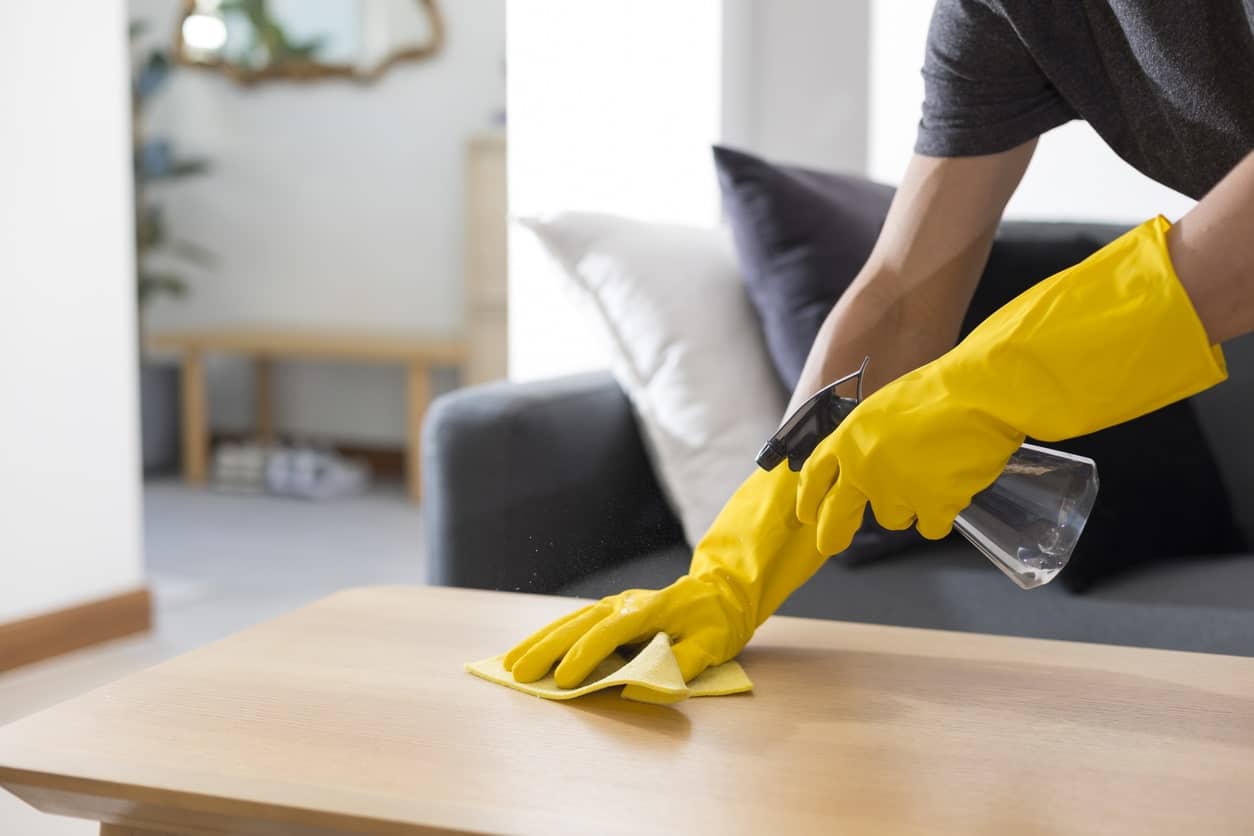
In today’s health-conscious world, the importance of maintaining cleanliness and hygiene in our surroundings cannot be overstated. It is essential to understand the distinct processes involved in ensuring a safe and hygienic environment: cleaning, disinfecting, and sanitising. Though often used interchangeably, these terms refer to different methods of hygiene maintenance, each critical in its own right.
At Brite Group, we offer reliable cleaning services in Manchester, and we guarantee that our contract cleaners are well equipped to handle all your cleaning needs! Our team has come together to create this informative article exploring the key differences between cleaning, disinfecting, and sanitising, so you know your chosen cleaning company is well informed!
Fully Trained Contract Cleaners
Go no farther than the Brite Group team if you’re looking for trustworthy and knowledgeable contract cleaners for your company. We are aware that the prosperity and reputation of your company depend heavily on a spotless and well-kept environment. Because of this, every member of our contract cleaning staff has received extensive training and is fully prepared to tackle any cleaning work with professionalism.
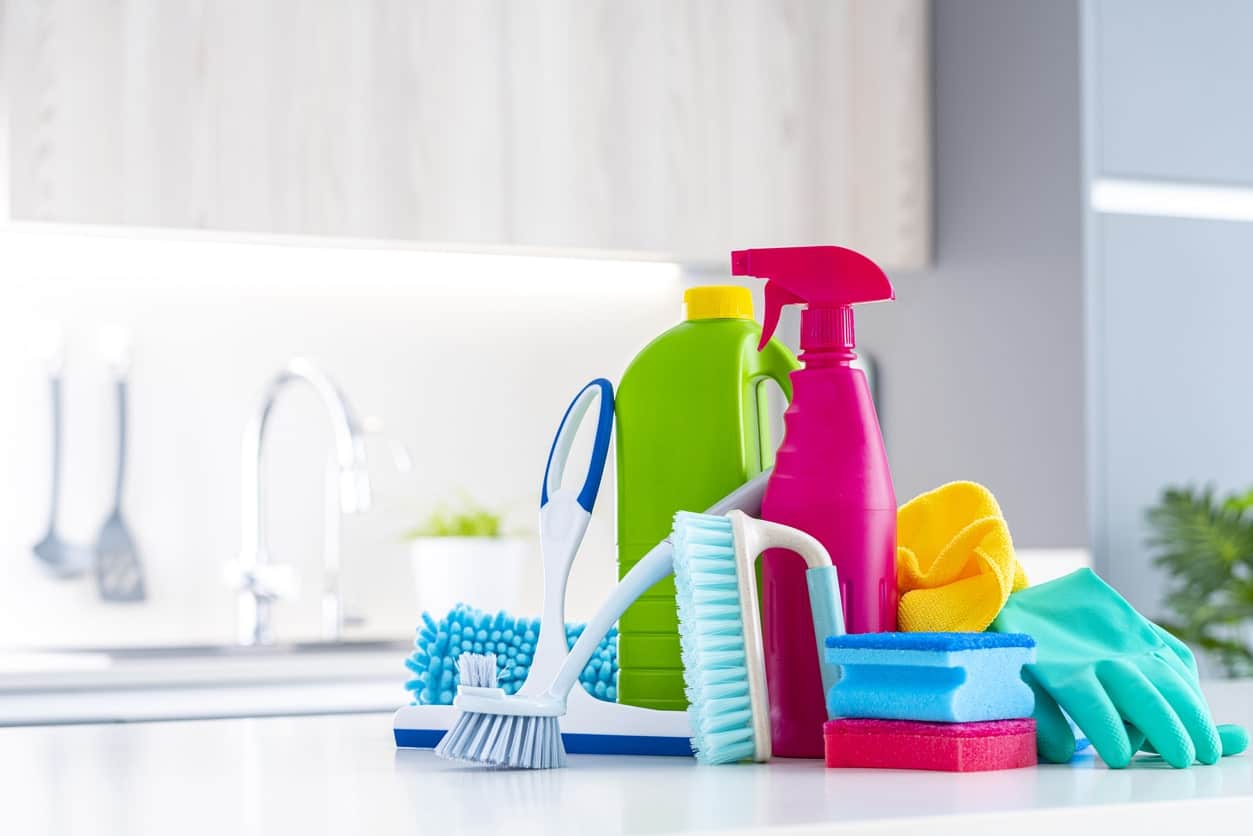
Brite Group takes great pride in its dedication to efficiency and quality. A thorough training programme covering a broad variety of cleaning techniques and procedures is implemented for our cleaning personnel. Their extensive training guarantees that they are knowledgeable about both the most recent methods and technology used in the cleaning sector, in addition to the conventional cleaning approaches. Our crew is ready to provide excellent service whenever needed, whether it is with cutting-edge deep cleaning equipment or the newest environmentally friendly cleaning products. Learning the distinctions between cleaning, sanitising, and disinfection is one of the training we provide, and we are here to impart that information to you! Keep reading below!
Cleaning: The First Step to Hygiene
Cleaning involves physically removing dirt, debris, and dust from surfaces. This process typically includes sweeping, dusting, or wiping surfaces. The primary goal of cleaning is to remove visible soiling, not necessarily to kill germs. However, it is an essential precursor to effective disinfection and sanitisation.
Best Practices for Cleaning
- Regularly clean high-touch surfaces like doorknobs, light switches, and countertops.
- Use suitable detergents or cleaning agents that effectively remove dirt and grime.
- Ensure thorough cleaning of surfaces before proceeding to disinfection.
Effective cleaning is the cornerstone of maintaining a hygienic environment. By adhering to these best practices, we lay the foundation for subsequent disinfection and sanitisation efforts, ensuring our spaces are not only clean but also health-friendly.
Disinfecting: Eliminating Pathogens
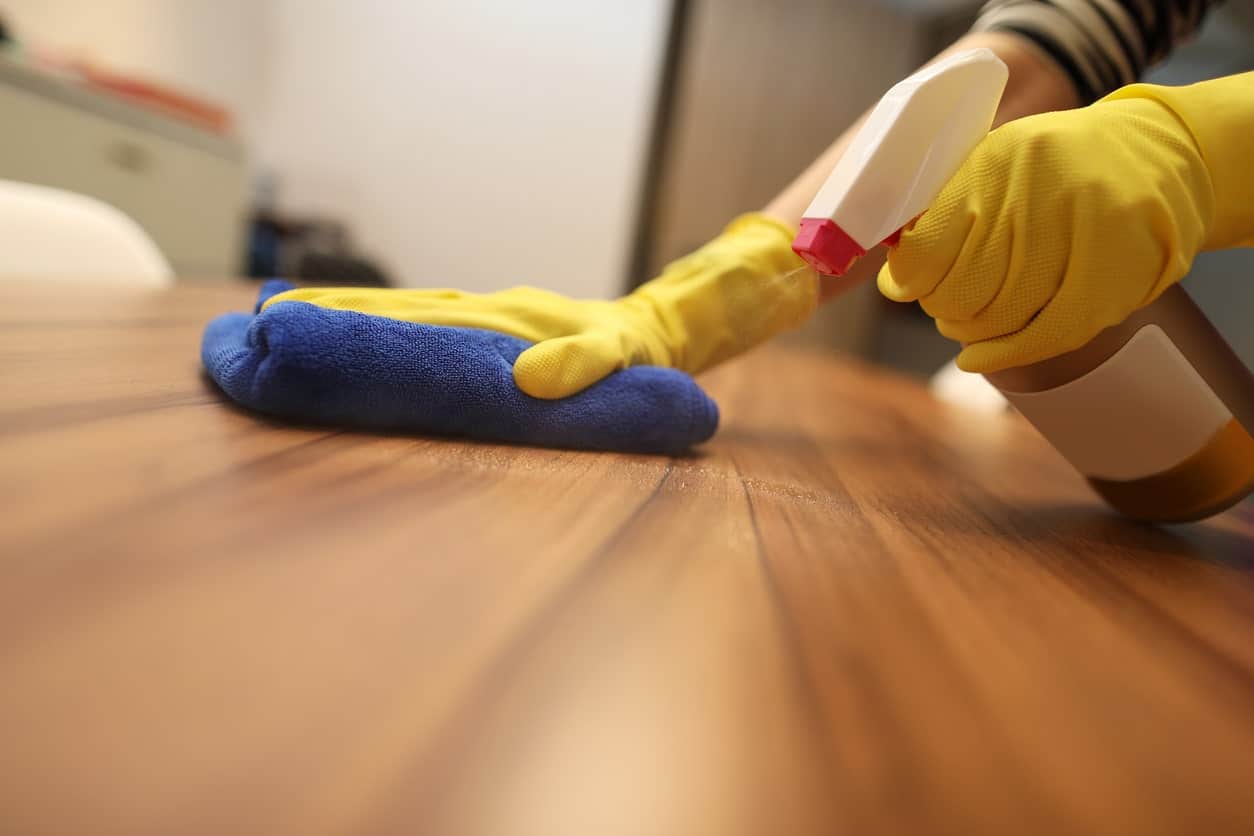
Disinfecting is a more intensive process aimed at killing pathogens and microorganisms on surfaces. This is achieved using chemicals designed to kill bacteria, viruses, and fungi. Disinfecting does not necessarily clean dirty surfaces, but it is crucial for maintaining a pathogen-free environment.
Best Practices for Disinfecting
- Use approved disinfectants for effective results.
- Allow sufficient contact time for the disinfectant to work effectively.
- Focus on areas that are likely to harbour pathogens, such as bathrooms and kitchen surfaces.
Disinfecting is a vital step in ensuring a germ-free environment. It’s crucial to use the right products and methods to eliminate harmful microorganisms effectively. Regular and mindful disinfection practices are key to safeguarding health in both public and private spaces.
Sanitising: Reducing Germs to Safe Levels
Sanitising involves reducing the number of germs on surfaces or objects to a safe level, as judged by public health standards. This process does not necessarily eliminate all microorganisms but reduces them to levels considered safe.
Best Practices for Sanitising
- Use sanitising solutions on food contact surfaces like cutting boards and kitchen counters.
- Ensure the correct dilution of sanitising solutions for maximum effectiveness.
- Regularly sanitise personal items like phones and computer keyboards.
Sanitising plays a critical role in controlling the spread of germs, especially in areas where complete sterilisation isn’t feasible or necessary. Integrating regular sanitising practices into our daily routines contributes significantly to overall health and hygiene maintenance.
Contact Brite Group today to find out more!
Discover more about our exceptional cleaning solutions by contacting Brite Group today! Should you require further details or wish to schedule our specialised contract cleaning services for your business, our experienced team in Manchester is just a call away. We provide an array of services, including pest control, commercial window cleaning, and much more. Additionally, for insightful tips on contract cleaning and fully understanding some of the services our cleaners offer, visit our blog to learn more about What is Contract Cleaning and What Are The Benefits Of Contract Cleaning now!