

At BriteGroup, we understand that a clean office environment isn’t just about appearances, it’s a cornerstone for promoting employee health. In our recent guide, we explored how regular office cleaning boosts productivity and enhances overall well-being in the workplace. Now, we want to dive deeper into one of the most crucial aspects of office cleaning: preventing illness.
Illness in the workplace can lead to costly absenteeism, reduced efficiency, and low morale. By implementing a thorough and consistent cleaning program, businesses can significantly reduce the spread of germs and protect their most valuable asset, their people. This blog explains how illnesses spread in office environments, the role of professional cleaning in stopping infections, and practical strategies for creating a healthier workplace.
Understanding How Illness Spreads in the Office
The modern office is a hub of interaction. Employees share desks, use communal equipment, and move through common areas. This interconnectedness, while essential for collaboration, also creates numerous opportunities for viruses and bacteria to spread.
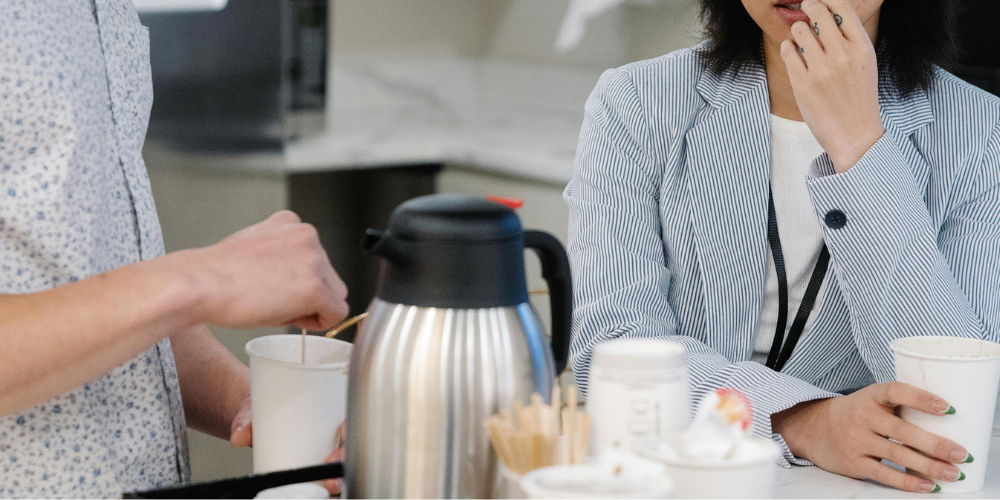
Most illnesses transmitted in office environments are caused by pathogens spread through contact with contaminated surfaces and respiratory droplets. Employees frequently touch shared objects like keyboards, mice, telephones, door handles, kitchen appliances, and elevator buttons. Germs from one person’s hands can transfer to these surfaces and then to another person, who may inadvertently touch their face and become infected.
Airborne transmission also plays a role, especially for respiratory illnesses like colds, flu, or COVID-19, when an infected person coughs or sneezes without covering their mouth. Poor ventilation and crowded meeting rooms can increase the risk of spreading airborne pathogens.
Seasonal fluctuations further complicate this issue. During colder months or flu season, offices can see spikes in sickness, making the role of cleaning even more vital to keep everyone healthy.
The Role of Regular Cleaning in Breaking the Chain of Infection
Cleaning and disinfecting the office regularly is one of the most effective ways to interrupt the transmission of infectious diseases. While everyday dusting and vacuuming maintain tidiness, targeted cleaning using disinfectants kills the viruses and bacteria that lurk on surfaces.
It’s important to distinguish between cleaning and disinfecting. Cleaning removes dirt and impurities from surfaces, which helps reduce germs but may not eliminate them entirely. Disinfecting uses chemical agents specifically designed to destroy bacteria and viruses.
At BriteGroup, we implement both cleaning and disinfecting protocols, especially on high-touch surfaces such as:
- Desk surfaces and computer peripherals
- Door handles and light switches
- Telephones and headsets
- Kitchen counters, sinks, and appliances
- Bathroom fixtures like taps and flush handles
The frequency of cleaning is just as critical as the thoroughness. Germs can multiply quickly, so regular daily cleaning combined with periodic deep cleans ensures pathogens do not accumulate to dangerous levels.
Targeting High-Risk Areas and Surfaces
Not all areas in an office carry the same risk when it comes to spreading illness. Knowing where to focus cleaning efforts can make a significant difference.
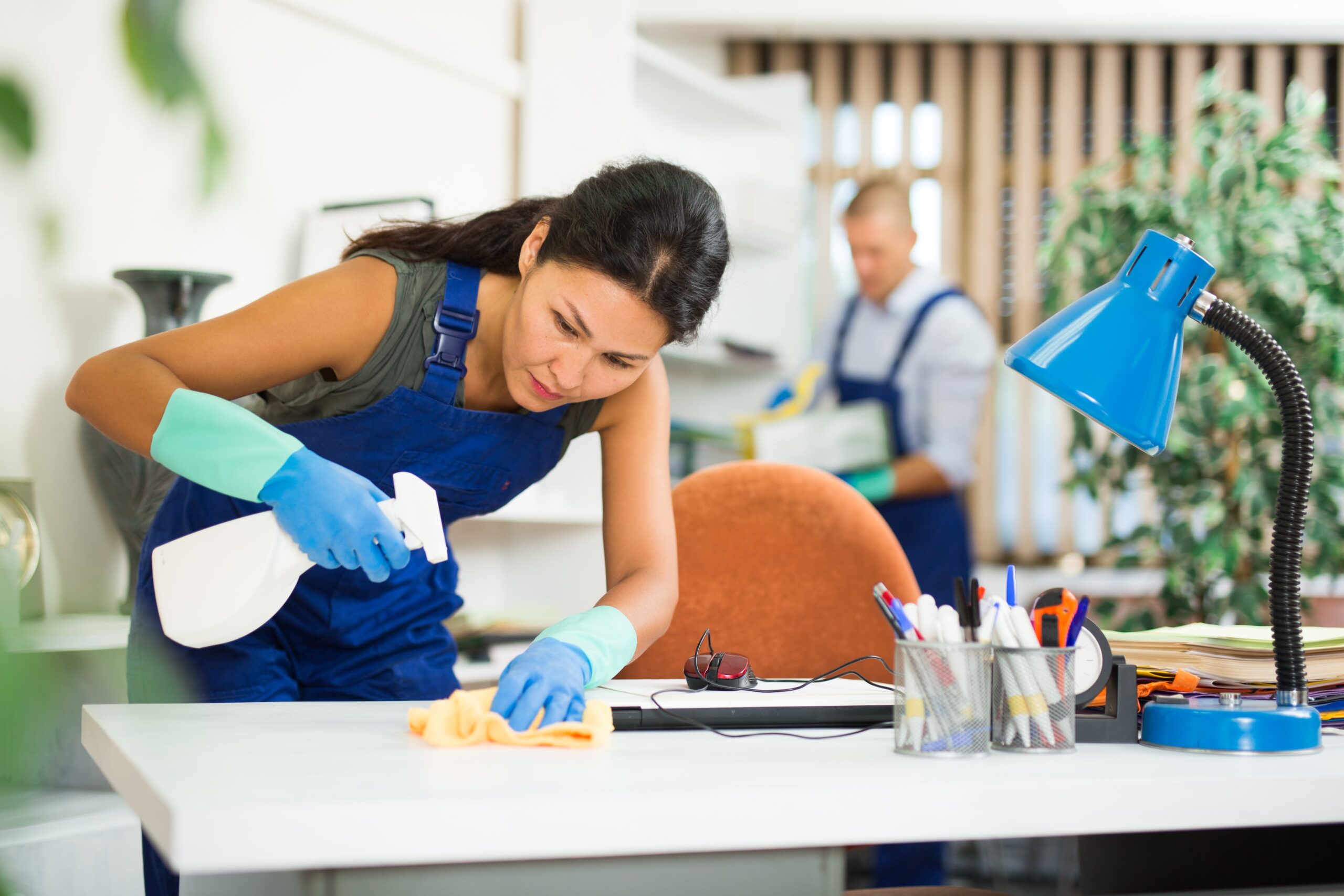
Desks and workstations are often overlooked but can be germ hotspots. Employees eat, type, and touch various items all day long, so regular wiping with disinfectants is essential.
Communal areas such as meeting rooms, kitchens, and break rooms attract many people and are frequent sites for germs to spread. Kitchen surfaces can harbour food residues that attract pests and bacteria, making regular cleaning and pest control critical.
Restrooms require consistent, rigorous cleaning due to their natural propensity for bacteria and viruses.
Finally, shared office equipment like printers and copiers is frequently touched by many employees throughout the day, making disinfecting these devices a must.
Additionally, pest control is a vital but often underestimated part of office hygiene. Rodents and insects can carry diseases and contaminate food or surfaces. Regular pest control services combined with cleaning prevent infestations that can compromise employee health.
Using the Right Cleaning Products and Techniques
Effective illness prevention depends on more than just cleaning frequency; it also depends on the quality of cleaning products and techniques used.
We use EPA-approved disinfectants and hospital-grade cleaning agents that are proven to kill a wide range of pathogens. These products are carefully selected to be both powerful and safe for use in busy office environments.
An important consideration is the use of eco-friendly products, which minimise chemical exposure for employees and reduce environmental impact without compromising cleaning effectiveness. This aligns with our commitment to sustainability and maintaining a “small footprint” while keeping workplaces safe.
Professional cleaning teams also use specialised equipment, such as HEPA-filter vacuum cleaners and microfiber cloths, which enhance the removal of dust, allergens, and microbes. Trained staff know which surfaces require disinfecting and how to apply products for maximum effect, including the correct dwell times to ensure germs are fully eliminated.
Complementary Strategies to Prevent Illness in the Workplace
While regular professional cleaning forms the backbone of infection control, a healthy workplace requires a multi-faceted approach that involves employees and management.
- Promote good personal hygiene: Encourage employees to wash their hands regularly, use hand sanitisers, and cover their mouths when coughing or sneezing. Easy access to hand sanitiser stations throughout the office can support this habit.
- Implement sensible sick leave policies: Employees should feel comfortable staying home when unwell, preventing the spread of illness to colleagues. Businesses can create clear communication around this to reduce presenteeism.
- Improve ventilation: Good airflow dilutes airborne contaminants and helps reduce respiratory infections. Regular maintenance of HVAC systems and opening windows when possible can improve air quality.
- Educate and communicate: Regular reminders about hygiene practices and the importance of a clean workspace empower employees to play an active role in maintaining a healthy environment.
Ready to Reduce Sick Days?
Regular office cleaning is a vital line of defence in preventing illness and protecting the health of your workforce. At BriteGroup, we combine expert cleaning, disinfecting, pest control, and environmentally conscious practices to help businesses in Greater Manchester and the North West maintain workplaces that are not only spotless but genuinely safer for everyone.
Investing in a comprehensive and tailored cleaning program can reduce sick days, boost morale, and ultimately contribute to your company’s success. If you want to learn more about how professional office cleaning can help keep your team healthier, get in touch with BriteGroup today. Together, we can build a cleaner, safer, and more productive office environment.
Related Articles
5 Tips For Combating Dust In The Office